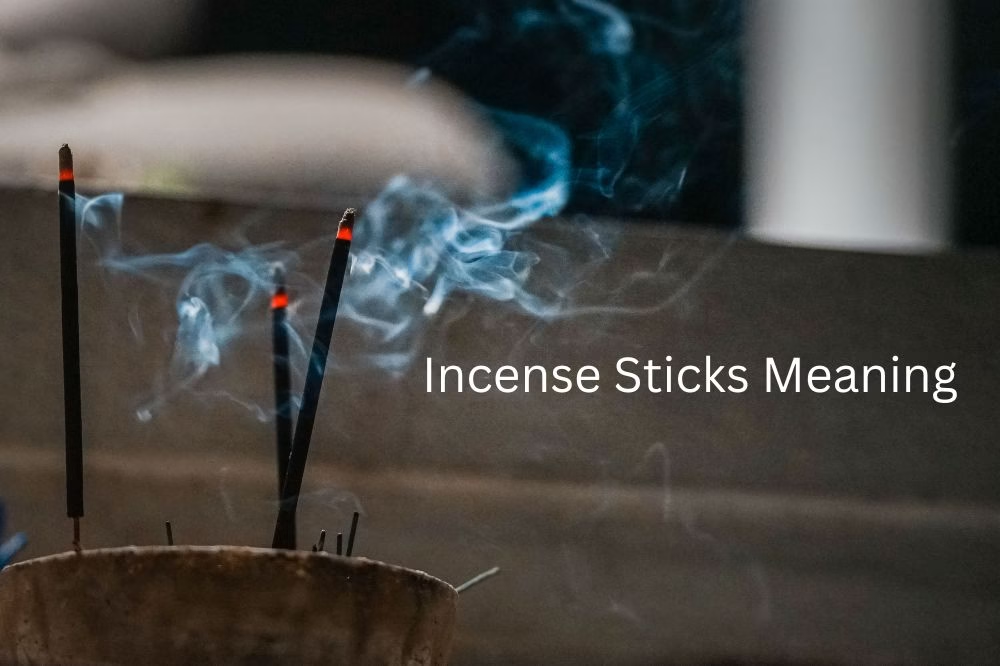
Walk into any temple, home mandir, or ISKCON center, and the first thing that greets you is often a soft trail of fragrant smoke rising from a burning incense stick. This isn’t just about pleasant fragrance — incense sticks (commonly called agarbatti in India) carry deep spiritual, cultural, and even scientific meaning that has been part of devotional life for thousands of years.
In this guide, we’ll explore what incense sticks truly mean, why they are an essential part of puja and bhakti practice, their connection to Krishna consciousness, and how to choose the right incense for your spiritual journey.
What Do Incense Sticks Actually Mean?
The word “incense” comes from the Latin incendere, meaning “to burn.” But in the Vedic and devotional context, incense is far more than a burning fragrant stick — it represents:
- Purification — cleansing the atmosphere of negative energy before worship
- Offering (Seva) — one of the traditional items offered to the Deity during puja
- Focus and Mindfulness — the rising smoke and fragrance help the mind withdraw from external distractions and turn inward
- A Bridge Between the Material and Spiritual — fragrance is considered one of the subtlest sensory experiences, believed to carry prayers and devotion upward, much like the smoke itself rises toward the sky
In ISKCON and Gaudiya Vaishnava tradition specifically, incense (dhupa) is one of the sixteen traditional items (shodashopachara) offered to the Deity during formal worship — alongside items like flowers, water, and food (bhoga). Offering incense is considered an act of loving service to Krishna, engaging the sense of smell in devotional service.
Buy Sandal Supreme Incense Sticks
The History of Incense in Vedic and Devotional Culture
Incense has been used in Indian spiritual practice since ancient times, referenced in the Vedas, Puranas, and Ayurvedic texts. Long before “agarbatti” sticks existed in their current rolled form, devotees burned resins, herbs, and aromatic woods like:
- Sandalwood (Chandan)
- Guggul
- Camphor (Karpoor)
- Frankincense (Loban)
These were burned on coals during yajnas (fire sacrifices) and temple rituals. Over centuries, this evolved into the convenient rolled incense stick we know today — a bamboo core coated with a paste of fragrant herbs, resins, and natural oils.
Why Incense Sticks Are Used in ISKCON Temples and Home Worship
For ISKCON devotees and anyone practicing bhakti yoga, incense plays several practical and spiritual roles:
1. Deity Worship (Aarti and Puja)
During aarti, incense is waved before the Deity as an offering, engaging the sense of smell in loving devotional service, just as a lamp (ghee wick) engages sight.
2. Creating a Sacred Atmosphere
The fragrance helps transform an ordinary room into a sacred space, mentally signaling that it’s time for japa, kirtan, or scripture study.
3. Aid to Meditation and Japa
Many devotees light incense before chanting the Hare Krishna Maha Mantra on japa beads — the fragrance helps calm the mind and mark the beginning of a focused chanting session.
4. Removing Negativity
Traditionally, incense smoke is believed to purify the surrounding air, both physically (through natural antimicrobial properties of ingredients like sandalwood and camphor) and spiritually.
Buy Buy Thakur Ji Rose Incense Sticks
Common Types of Incense Sticks and Their Meaning
| Fragrance | Traditional Meaning/Use |
|---|---|
| Sandalwood (Chandan) | Calming, associated with purity and often used in daily puja |
| Rose | Devotion and sweetness, often offered to Radha-Krishna |
| Tulsi | Extremely sacred in Vaishnavism, associated directly with devotion to Krishna |
| Champa | Traditional temple fragrance, uplifting and auspicious |
| Nag Champa | A blend of champa flower and sandalwood, widely used in meditation spaces |
| Loban/Frankincense | Used for deep purification rituals |
| Camphor (Karpoor) | Often used at the peak of aarti for its purifying, sharp fragrance |
Choosing a fragrance often comes down to personal devotional preference, the deity being worshipped, or the mood of the practice (calming vs. energizing).
How to Use Incense Sticks Correctly During Puja
- Light the tip of the incense stick using a matchstick or diya flame (avoid lighter fluid smells interfering with fragrance).
- Let it flame briefly, then gently blow it out so it smolders and releases smoke.
- Hold it in your right hand and offer it in a clockwise circular motion in front of the Deity or picture, usually 2-3 times.
- Place it in an incense holder, away from curtains or flammable items, allowing it to burn completely.
- Traditionally, incense is offered before or during aarti, alongside a ghee lamp.
Are Incense Sticks Only for Religious Use?
While rooted in devotional tradition, incense sticks today are widely used for:
- Meditation and yoga spaces
- Aromatherapy and relaxation
- Masking odors in homes
- Setting a calm ambiance for study or work
That said, for devotees, even everyday use carries an undertone of mindfulness — the fragrance is a gentle reminder to stay connected to a higher consciousness throughout the day, not just during formal worship.
Buy Musk Supreme Flora Incense Sticks
Choosing the Right Incense Sticks for Your Home Temple
When selecting incense for your personal altar or gifting purposes, consider:
- Natural ingredients — pure masala or dhoop-based sticks made from herbs and resins tend to burn cleaner than synthetic perfume-dipped varieties
- Burn time — longer sticks suit extended kirtan or meditation sessions
- Fragrance intensity — lighter fragrances for small rooms, richer ones like sandalwood or Nag Champa for larger spaces or temple halls
- Purpose — daily puja, gifting, festivals, or meditation may call for different blends
Conclusion
Incense sticks are far more than a fragrance accessory — they are a bridge between the material senses and spiritual devotion, a tradition rooted deeply in Vedic culture and lovingly continued in ISKCON temples and homes around the world. Whether you’re performing daily aarti, chanting japa, or simply creating a peaceful atmosphere at home, choosing the right incense can deepen your spiritual practice.
Explore our collection of authentic, temple-quality incense sticks — crafted with natural ingredients and traditional fragrances — perfect for your home altar or as a thoughtful spiritual gift.
Frequently Asked Questions (FAQ)
Q1. What is the spiritual meaning of burning incense sticks?
Burning incense is considered an offering of fragrance to the Deity, a purification of the atmosphere, and an aid to focus the mind during worship and meditation.
Q2. Which incense is best for Krishna puja?
Sandalwood, rose, and Tulsi-based incense are commonly preferred for Krishna and Radha-Krishna worship due to their sweet, calming fragrance.
Q3. Can incense sticks be used daily?
Yes, incense sticks are commonly used daily during morning and evening puja, aarti, and meditation practices.
Q4. Is it necessary to offer incense during puja?
In traditional shodashopachara puja, incense (dhupa) is one of the sixteen offerings, though simplified home worship can still be meaningful without every item.
Q5. What is the difference between agarbatti and dhoop?
Agarbatti refers to incense sticks with a bamboo core, while dhoop is typically a stick-less, solid incense cone or roll made purely of herbal and resin paste, often used for a more intense purification ritual.
Looking for authentic, high-quality incense sticks for your home temple or as spiritual gifts? Browse our curated collection at ISKCONKART.COM— bringing devotion to your doorstep.